Creating Value In Schools
Home
About
Blog
Need to Know
Podcast
Work With Us
Contact Us
Sign In
Register free
Sign In
Sign in with Microsoft
Sign in with Google
or
Enter your email address below and we will send you a link to log in
Remember Me
Don't have an account?
Click here to Register
Understanding the school business leader role
CPD
Staffing
Image by
Jan
from
Pixabay
Share:
X
Need To Know is free to access.
Sign in
or
register free
to read this article.
Share:
X
Other Need to Know Updates
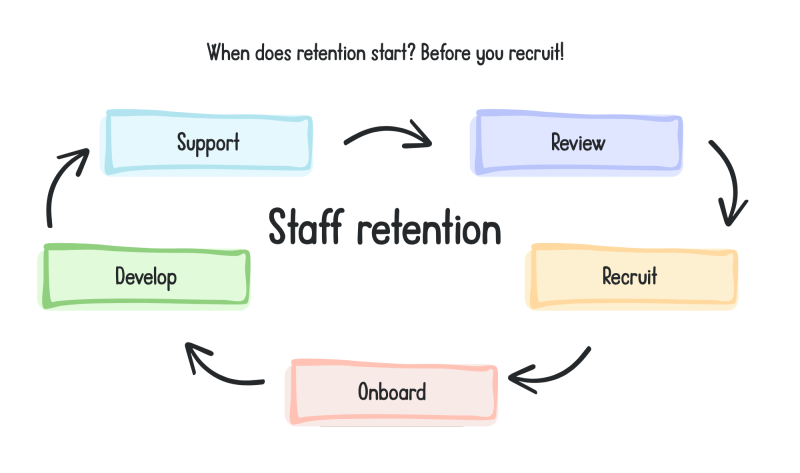
When does retention start?
6 days ago
Recruitment
Retention
Staffing
Implementing KCSIE across different roles
13 days ago
Safeguarding
Policy
10 questions to help you grow in your role
34 days ago
CPD
Staffing
Unpick the benefits: deciding on your climate action priorities
48 days ago
Environment
Estates
Sustainability
Taking care of your headteacher
57 days ago
Governance
Wellbeing
Five time management and prioritisation strategies
71 days ago
CPD
Efficiency
Getting creative about recruitment
89 days ago
Recruitment
Marketing
Staffing
Why do teachers leave?
97 days ago
Retention
Staffing
Wellbeing
Overheating in schools: three areas for action
104 days ago
Environment
Estates
Sustainability
Climate change risks to schools
112 days ago
Environment
Estates
Sustainability
Using data to get curious about belonging
117 days ago
Equity
Inclusion
Staffing
10 questions to ask about your website
124 days ago
Marketing
Technology
Managing staffing challenges at lunchtime
132 days ago
Behaviour
Staffing
School food standards: a positive change?
138 days ago
Food
Policy
Five steps to effective school fundraising
146 days ago
Income generation
Community
Food strategy conversation starters
153 days ago
Food
Finance
Sustainability
Breaking down barriers to play
160 days ago
Staffing
Wellbeing
Five things every member of staff can do to support pupil behaviour
166 days ago
Behaviour
Making breakfast work
174 days ago
Food
Social equity
Professional development opportunities for SBMs
180 days ago
CPD
Staffing
Elevating your pre-loved school uniform offer
189 days ago
Uniform
Sustainability
Income generation
Top tips for rethinking risk
196 days ago
Leadership
School improvement
Reducing and managing social media complaints
203 days ago
Parents
Wellbeing
Using solar as a starting point for learning
210 days ago
Environment
Estates
Sustainability
Teaching and learning
Towards a sustainable education estate
217 days ago
Estates
Sustainability
Environment
Implementing AI in schools: 10 lessons learned
225 days ago
AI
Technology
Why leadership matters: staff retention
232 days ago
Leadership
CPD
Retention
Managing parental complaints
239 days ago
Parents
SEND training offer for staff
246 days ago
CPD
SEND
What could be working better?
253 days ago
Efficiency
Supporting pupils with autism
260 days ago
SEND
What is operational excellence, and why does it matter?
267 days ago
CPD
Leadership
Maximising value: resources for schools
274 days ago
CPD
Estates
Finance
Procurement
How to manage stress
302 days ago
Retention
Wellbeing
What influences staff recruitment and retention?
308 days ago
Recruitment
Retention
Wellbeing
Supporting neurodiverse students and staff
316 days ago
SEND
Inclusion
Outcomes of the Curriculum and Assessment Review
323 days ago
Curriculum
Policy
Saving water in schools: five questions
330 days ago
Environment
Sustainability
Changes to school uniform policy
337 days ago
Policy
Uniform
What makes reading a priority?
343 days ago
Reading
Policy
Social equality
Ways forward for SEND reform?
351 days ago
SEND
Policy
Resources to support effective use of the pupil premium
356 days ago
Pupil premium
Building positive parent partnerships
358 days ago
Parents
10 tips for integrating climate activities
364 days ago
Environment
Sustainability
Curriculum
Cracking edu-jargon: onboarding resources
1 year ago
Governance
CPD
Recruitment
Ofsted inspections and accountability: what's changed?
1 year ago
Ofsted
How to maintain a positive behaviour culture
1 year ago
Behaviour
What does a sustainable education system need?
1 year ago
Recruitment
Sustainability
Ways to reduce workload and improve wellbeing
1 year ago
Staffing
Wellbeing
Is your school eligible for NPQ scholarship funding?
1 year ago
CPD
Finance
How do we create a positive behaviour culture?
1 year ago
Behaviour
What have we learned from A level results?
1 year ago
Achievement
Social equality
Get started with your climate action plan
1 year ago
Environment
Sustainability
What's happening with food in schools?
1 year ago
Food
Funding
Sustainability
Preparing for updated RSE guidance
1 year ago
Curriculum
Teaching and learning
The PERMA wellbeing framework
1 year ago
Mental health
Wellbeing
How do parents feel about schools?
1 year ago
Leadership
Parents
CPD frameworks for the school workforce
1 year ago
CPD
Staffing
Supporting generation catch-up
1 year ago
Achievement
Behaviour
Mental health
Wellbeing
How resilient is your estate strategy?
1 year ago
Estates
Sustainability
Reducing fraud risks in schools
1 year ago
Finance
Governance
What gets children and young people reading?
1 year ago
Reading
Teaching and learning
Getting ready for Ofsted
1 year ago
Ofsted
Governance
Leadership
Flexible working: a concise guide
1 year ago
Retention
Staffing
Wellbeing
AI training resources for schools
1 year ago
Artificial intelligence
CPD
Technology
How does poverty impact school life?
1 year ago
Attendance
Food
Pupil premium
Why invest in professional development?
1 year ago
CPD
School improvement
What is a circular economy?
1 year ago
Environment
Sustainability
Pupil engagement
1 year ago
Attendance
Behaviour
Inclusion
Wellbeing
School budgets and the spending review
1 year ago
Funding
Policy
Breaking down barriers to opportunity
1 year ago
Achievement
Pupil premium
Connecting mental health and attendance
1 year ago
Attendance
Mental health
Wellbeing
How to get people on board with fundraising
1 year ago
Funding
Income generation
How can schools save energy?
1 year ago
Estates
Sustainability
What's happening with SEND support in schools?
1 year ago
Funding
SEND
What's changing for early career teachers?
1 year ago
CPD
Staffing
How will RISE work?
1 year ago
Ofsted
School improvement
Effective estate management
1 year ago
Estates
Staffing
Sustainability
Digital strategy update
1 year ago
Technology
What next for NPQs?
1 year ago
CPD
How green is your school?
1 year ago
Environment
Sustainability
Making the most of your TAs
1 year ago
Staffing
Ready for simpler recycling?
1 year ago
Food
Sustainability
Teacher recruitment and retention
1 year ago
Recruitment
Retention
Staffing
What's happening with boys?
1 year ago
Achievement
Wellbeing
Curriculum review: what's planned?
1 year ago
Assessment
Curriculum
Non-graduate routes into teaching
1 year ago
CPD
Staffing
The case for auto-enrolment
1 year ago
Food
Pupil premium
Why does toothbrushing matter?
1 year ago
Health
Digging into attendance
1 year ago
Attendance
Honest conversations: a checklist
1 year ago
Leadership
Staffing
Reducing the distraction of mobile phones
1 year ago
Behaviour
Wellbeing
What is carbon literacy?
1 year ago
Environment
Sustainability
Decision-making checklist
1 year ago
Leadership
Effectiveness of mental health interventions
1 year ago
Wellbeing
Briefing: changes to Ofsted and accountability measures
1 year ago
Ofsted
Policy
School improvement
Using generative AI in schools
1 year ago
Artificial intelligence
Accountability measures and RISE consultation
1 year ago
Policy
School improvement
Ofsted consultation: what's proposed?
1 year ago
Ofsted
Why do breakfast clubs matter?
1 year ago
Food
Looking ahead: what can we expect from education policy in the upcoming year?
1 year ago
Policy
What's happening with AI in schools?
1 year ago
Artificial intelligence
How TAs are used in schools
1 year ago
SEND
Staffing
How effective is climate education currently?
1 year ago
Curriculum
Environment
Ofsted progress and upcoming consultation
1 year ago
Ofsted
Where will we find 6,500 teachers?
1 year ago
Recruitment
What's proposed in the Children's Wellbeing and Schools Bill?
1 year ago
Policy
What are trusts doing to be more efficient in their business professional practice?
2 years ago
Finance
Procurement
Trusts
Reducing the impact of exclusions
2 years ago
Behaviour
How do teachers feel about their working life?
2 years ago
Retention
Wellbeing
Responses to financial pressures
2 years ago
Finance
How do we attract graduates into teaching?
2 years ago
Recruitment
A benchmark for sustainability practices
2 years ago
CPD
Environment
Sustainability
Early adopters sought for free breakfast provision
2 years ago
Food
Funding
Proposed changes to children's social care
2 years ago
Safeguarding
Findings from the Teacher Wellbeing Index 2024
2 years ago
Wellbeing
What does sustainable governance look like?
2 years ago
Governance
An unsustainable SEN system?
2 years ago
Funding
SEND
How do we encourage more students into STEM study?
2 years ago
Careers
Curriculum
Teacher retention: are 30-something women at risk?
2 years ago
Retention
Why does oracy matter?
2 years ago
Curriculum
Oracy
How much does a school meal cost?
2 years ago
Food
Funding
Do you have a climate action plan in place?
2 years ago
Environment
Sustainability
What skills do your students need for future careers?
2 years ago
Careers
Financial sustainability top priority for trusts
2 years ago
Trusts
Finance
CPD
Understanding attendance - how you can make a difference
2 years ago
Attendance
Understanding the school business leader role on Creating Value In Schools